

Multidirectional Forklift Training
GH Training provides practical, AITT-accredited multidirectional forklift training for businesses and operators across the North West, North Wales and West Yorkshire.
Multidirectional lift trucks are designed to transport long, bulky and awkward loads through confined working areas. Training is delivered at customer premises using the equipment and environment your operators will encounter.
Request a Training Quote Call 01925 500796
Multidirectional Forklift Course Options
Novice Training
For operators with no previous multidirectional forklift experience or formal operator training.
Typical duration: 3–5 days
Experienced Operator Training
For operators with suitable practical experience but no recognised evidence of formal training.
Typical duration: 2–3 days
Conversion Training
For trained lift truck operators converting from another truck category to a multidirectional truck.
Typical duration: 1–2 days
Refresher Training
For previously trained operators who require reassessment, updated knowledge or additional practical instruction.
Typical duration: Usually 1 day
Course duration depends on the operator’s experience, learner numbers, equipment and working environment.
What Is a Multidirectional Forklift?
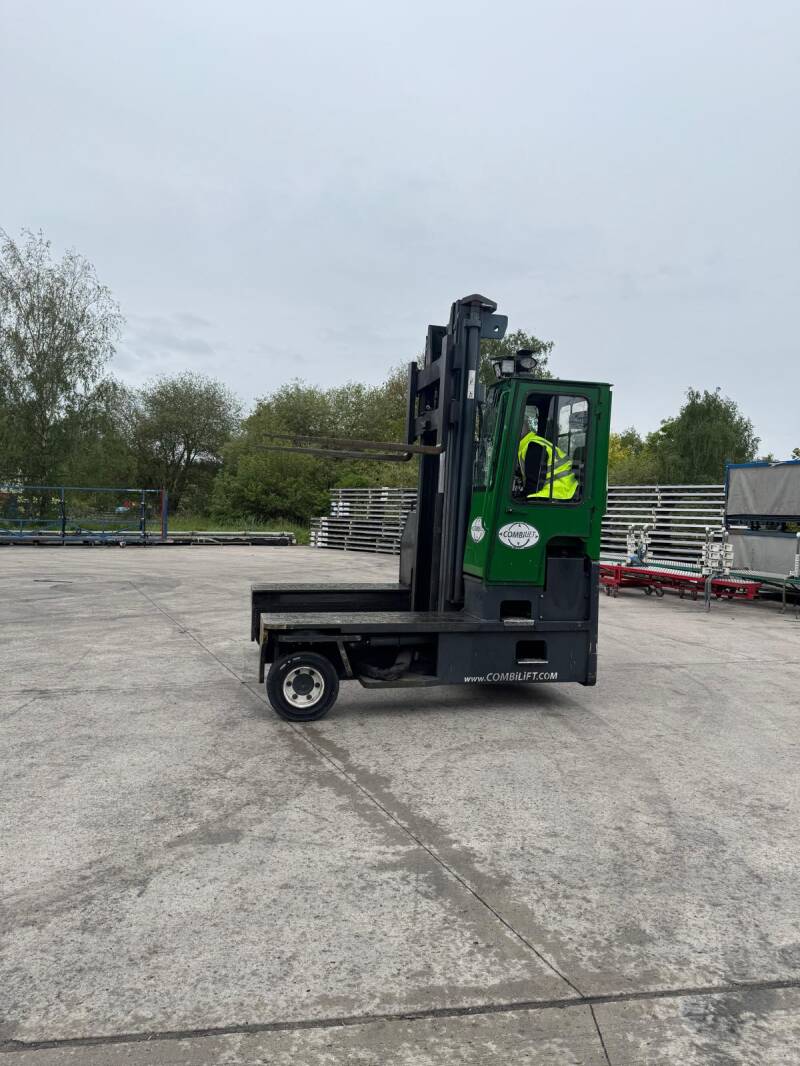
A multidirectional forklift can travel forwards, backwards and sideways, allowing operators to transport long loads through narrow aisles and confined areas.
These trucks are commonly used to handle:
- Timber
- Steel
- Pipework
- Extrusions
- Sheet materials
- Long palletised loads
- Other bulky or awkward products
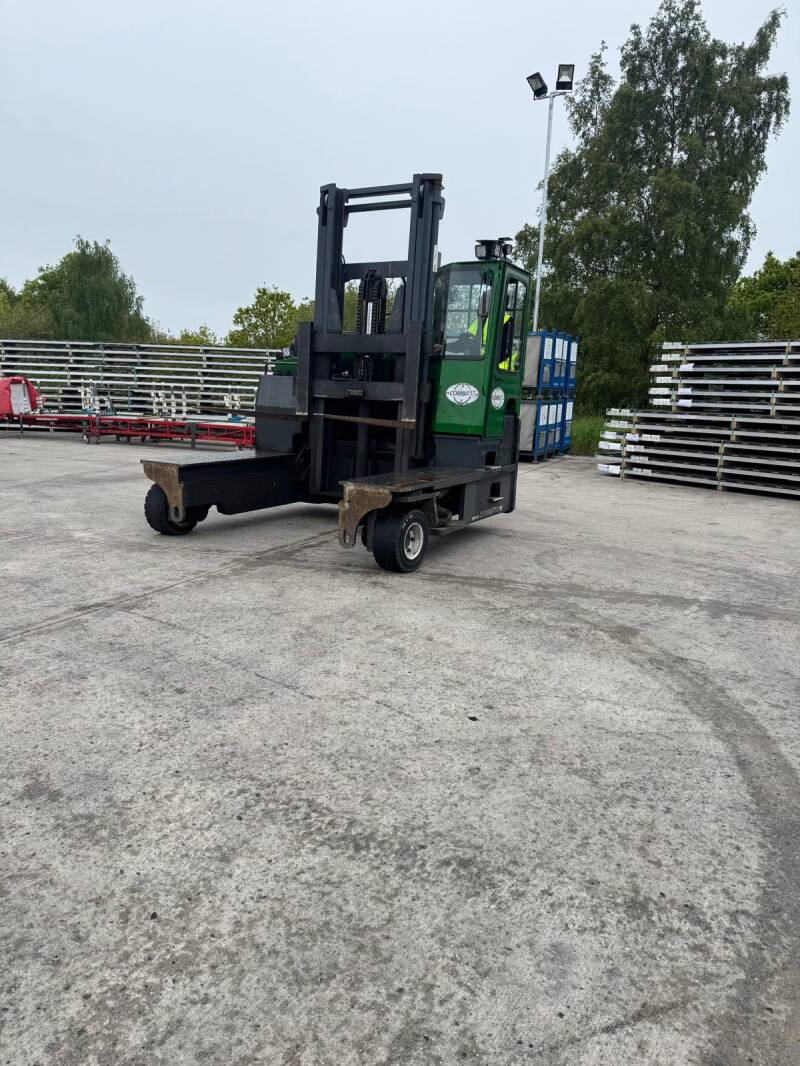
Equipment can include Combilift, Hubtex and other multidirectional or sideloader-type trucks.
Which Multidirectional Category Do You Need?
The ABA workplace transport groupings separate multidirectional trucks according to their design and operating characteristics:
- M1 – Multidirectional counterbalance lift truck: a rider-operated electric or internal-combustion truck combining counterbalance operation with multidirectional travel.
- M2 – Multidirectional sideloader lift truck: a rider-operated electric or internal-combustion sideloader designed for long and bulky loads.
- M3 – Multidirectional reach truck: a rider-operated electric or internal-combustion truck combining multidirectional travel with a reach mechanism.
- M4 – Multidirectional pallet stacker truck: a rider-operated electric multidirectional stacker category introduced within the updated 2026 groupings.
The correct category depends on the truck's design, not simply its manufacturer or brand name. A Combilift or Hubtex machine may fall into different categories depending on its configuration. GH Training will review the make, model and photographs of the truck before confirming the course.
Long-Load Handling and Multidirectional Travel
Multidirectional trucks are often selected because conventional lift trucks cannot safely or efficiently move long loads through restricted areas.
Practical training can include:
- Selecting the correct steering and travel mode
- Confirming wheel alignment before changing direction
- Maintaining clearance around the full length of the load
- Controlling rear-end and load-end swing
- Travelling through doorways, aisles and intersections
- Assessing load weight, length and centre of gravity
- Using stabilisers, reach mechanisms or specialist attachments
- Positioning and stacking long materials safely
- Maintaining visibility and using a banksman where required
Training must reflect the actual truck, attachment, load dimensions, storage system and workplace conditions. Experience on one multidirectional configuration does not automatically demonstrate competence on every M-category truck.
What Does the Training Cover?
Training is tailored to the truck, attachment, load and workplace and normally includes:
- Operator responsibilities
- Relevant safety principles
- Pre-use inspections
- Controls and instruments
- Steering and travel modes
- Travelling forwards, backwards and sideways
- Load assessment and stability
- Handling long and awkward loads
- Manoeuvring in confined areas
- Stacking and de-stacking
- Pedestrian and workplace hazards
- Safe parking and securing
- Battery charging or refuelling, where relevant
Courses include relevant theory, practical instruction and operator assessment.
Who Should Attend?
Multidirectional forklift training is suitable for:
- New lift truck operators
- Warehouse and distribution employees
- Timber yard employees
- Steel stockholding and fabrication staff
- Manufacturing and engineering employees
- Experienced operators without formal training
- Trained operators changing truck category
- Operators requiring refresher training or reassessment
Operators must be medically fit to use the equipment safely and able to understand the course instruction.

Does a Counterbalance Certificate Cover a Multidirectional Forklift?
No. Training on a counterbalance forklift does not automatically qualify an operator to use a multidirectional truck.
Multidirectional equipment has different steering, travel and load-handling characteristics. Appropriate conversion training and assessment will normally be required before the operator is authorised to use it.
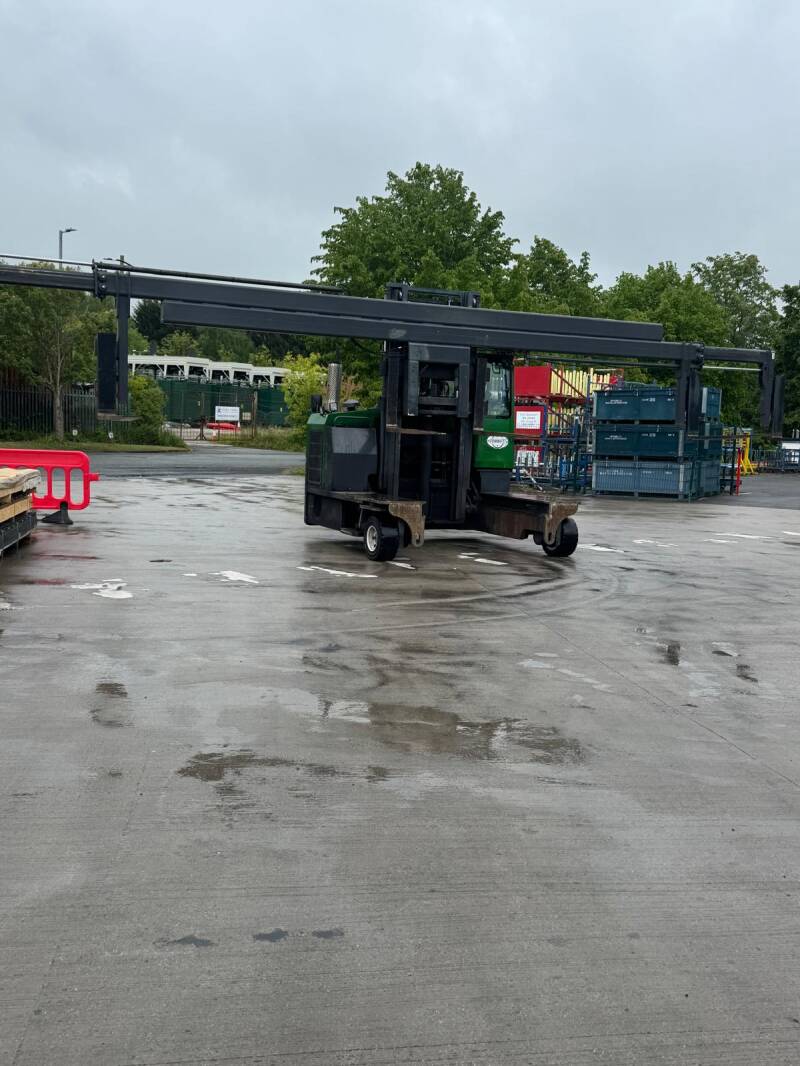
Multi-directional M2 training, with a 55 foot lifting beam attachment
Training for Attachments and Specialist Loads
If operators use specialist attachments or handle unusual loads, tell us when requesting a quotation.
Training may need to reflect:
- Lifting beams
- Extended or specialist forks
- Load-supporting attachments
- Unusually long or flexible loads
- Restricted aisles and doorways
- Specific loading and storage systems
Operators may require additional instruction and familiarisation for the attachment and normal workplace task.
Training at Your Workplace
Training is delivered at your premises using your equipment and working environment.
Your business will normally need to provide:
- A safe and serviceable multidirectional forklift
- A suitable practical training area
- Representative loads
- Relevant equipment and attachment documentation
- Appropriate personal protective equipment
We will confirm the requirements before training begins.
Assessment and Evidence of Training
Operators complete the relevant theory and practical elements of the course.
Those who successfully meet the required standard receive appropriate evidence of training. Employers remain responsible for workplace authorisation and any necessary job-specific or familiarisation training.
Why Choose GH Training?
- AITT-accredited training
- Practical instruction backed by industry experience
- Training delivered at your workplace
- Courses for every operator experience level
- Experience with long loads and specialist attachments
- Flexible weekday, weekend and shift options
Areas We Cover
Based in Newton-le-Willows, we provide multidirectional forklift training throughout Merseyside, Greater Manchester, Cheshire, Lancashire, North Wales and West Yorkshire.
Key areas include St Helens, Wigan, Warrington, Liverpool, Manchester, Runcorn, Widnes, Preston, Blackburn, Deeside, Wrexham and Leeds.
Arrange Multidirectional Forklift Training
Tell us about your truck, attachments, normal loads, number of operators and their current experience. We will recommend the appropriate course and provide a tailored quotation.